
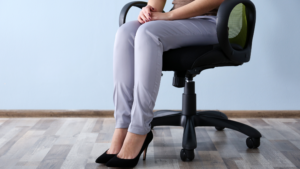
Many people think of workplace ergonomics as a way to prevent back pain, neck strain, or repetitive stress injuries. While proper workstation setup certainly supports your muscles and joints, it also plays an important role in your circulation—especially the health of your veins.
If you spend most of your workday sitting at a desk or standing in one place, poor ergonomics may contribute to symptoms like leg swelling, aching, heaviness, and fatigue. Over time, these issues can increase your risk of developing or worsening chronic venous insufficiency (CVI).
Here’s how your work environment affects your vein health—and simple adjustments that can help keep your blood flowing.
What Is Chronic Venous Insufficiency?
Your leg veins contain one-way valves that help move blood back toward your heart. When those valves become weakened or damaged, blood can begin to pool in the legs instead of circulating efficiently.
This condition is known as chronic venous insufficiency (CVI), and it can lead to symptoms such as:
- Aching or tired legs
- Swelling in the ankles or lower legs
- A feeling of heaviness
- Varicose veins
- Leg cramping
- Skin changes or discoloration
- Slow-healing wounds in more advanced cases
While age and genetics play a role, daily work habits can also influence how quickly these symptoms develop or progress.
How Sitting All Day Affects Circulation
Many office workers spend eight or more hours seated each day.
When you remain in the same position for long periods, the calf muscles—which normally act as a pump to move blood upward—become less active. As a result, blood can begin to pool in the lower legs, placing additional pressure on your vein valves.
Poor desk ergonomics can make matters worse by restricting healthy blood flow.
Examples include:
- Sitting with your knees bent for long periods without movement
- Crossing your legs frequently
- Chairs that place pressure behind the knees
- Feet that don’t rest comfortably on the floor
Small changes throughout the day can make a meaningful difference.
Standing Isn’t Always Better
Standing desks have become increasingly popular, but standing in one position all day isn’t ideal either.
When you’re stationary, blood can still collect in the lower legs because your calf muscles aren’t actively pumping blood back toward your heart.
Occupations such as teachers, healthcare workers, hairstylists, retail employees, and factory workers often experience increased vein symptoms because they spend hours standing without enough movement.
The goal isn’t simply to sit less—it’s to move more.
Ergonomic Tips to Improve Circulation at Work
Supporting healthy circulation doesn’t require a complete office makeover. A few intentional habits can help reduce pressure on your veins throughout the workday.
Keep Your Feet Supported
Whether sitting or standing, proper foot support helps maintain healthy posture and encourages better circulation.
If you’re seated, your feet should rest flat on the floor or on a footrest.
Avoid Crossing Your Legs
Crossing your legs occasionally isn’t harmful, but doing it for extended periods may place unnecessary pressure on your veins and reduce blood flow.
Try keeping both feet flat on the floor whenever possible.
Get Moving Every Hour
Movement is one of the best ways to support healthy circulation.
Aim to:
- Stand up every 30–60 minutes.
- Walk around the office.
- Stretch your calves.
- Perform a few heel raises or ankle circles.
Even a minute or two of movement helps activate your calf muscles and improve blood flow.
Consider a Sit-to-Stand Routine
If you use a standing desk, alternate between sitting and standing throughout the day instead of remaining in one position for hours.
Changing positions regularly is more beneficial than choosing one posture over another.
Wear Compression Stockings if Recommended
For individuals at higher risk of vein disease or those already experiencing symptoms, compression stockings can help improve circulation by gently supporting the veins and reducing swelling.
Talk with your vein specialist to determine whether compression therapy is right for you.
Don’t Ignore Early Symptoms
Many people assume leg discomfort is simply part of working long hours. However, persistent symptoms could indicate an underlying vein condition.
Watch for:
- Legs that feel heavy at the end of the day
- Swelling around the ankles
- Aching or throbbing after sitting or standing
- Visible varicose or spider veins
- Restless legs or nighttime cramping
These symptoms may seem minor at first, but they often become more noticeable over time if left untreated.
Modern Vein Treatments Can Help
If workplace habits are contributing to your vein symptoms, lifestyle changes are an excellent first step—but they may not reverse existing vein disease.
The good news is that today’s vein treatments are minimally invasive, performed in an outpatient setting, and require little downtime. Most patients are back to their normal routines within 24 hours.
Treating chronic venous insufficiency not only improves comfort but can also help prevent symptoms from progressing.
Support Your Vein Health Every Workday
Your workstation should support more than your productivity—it should support your health.
By incorporating healthy movement, improving your workspace ergonomics, and paying attention to early symptoms, you can help protect your circulation and reduce your risk of vein disease.
If your workday consistently ends with aching, swollen, or heavy legs, it may be time for a vein evaluation.
At McWilliams Vein Center, we’re here to help you find the cause of your symptoms and recommend personalized treatment options so you can feel your best—both at work and beyond.