
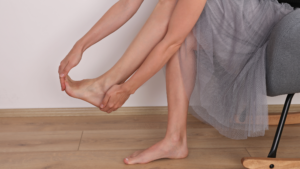
After a long day, it’s normal to feel tired. But if your legs consistently feel heavy, achy, swollen, or uncomfortable by the evening, it may be more than everyday fatigue.
Many people dismiss these symptoms as a normal part of aging, standing too long, or being busy throughout the day. In reality, persistent leg discomfort can sometimes be a sign of an underlying vein condition, such as chronic venous insufficiency.
Understanding the warning signs can help you know when it’s time to take a closer look at your vein health.
When Leg Fatigue May Be Something More
Occasional tired legs after exercise or a busy day are common. However, symptoms that happen regularly—or continue getting worse—shouldn’t be ignored.
Your veins play an important role in moving blood from your legs back to your heart. When the valves inside your veins stop working properly, blood can begin to pool in the legs, creating pressure and discomfort.
Over time, this can lead to symptoms that affect your comfort, mobility, and quality of life.
Common Signs of Vein Disease
If your leg pain or heaviness is related to vein disease, you may notice symptoms such as:
Leg Heaviness or Fatigue
Many patients describe their legs as feeling “heavy” or tired by the end of the day, especially after prolonged standing or sitting.
Swelling in the Legs or Ankles
Swelling that worsens throughout the day may be a sign that blood is not circulating efficiently.
Aching, Throbbing, or Cramping
Persistent discomfort—particularly in the calves or lower legs—can be associated with poor circulation and vein dysfunction.
Visible Varicose or Spider Veins
Enlarged, twisted veins or clusters of spider veins can sometimes indicate underlying venous insufficiency.
Symptoms That Improve with Elevation
If your legs feel better after elevating them or resting, this may point to circulation-related issues.
Why Symptoms Often Feel Worse at Night
Many vein-related symptoms become more noticeable later in the day.
Standing or sitting for long periods increases pressure in the veins of the legs. When circulation is already compromised, that pressure can build throughout the day—leading to heaviness, swelling, or discomfort by the evening.
Risk Factors for Vein Disease
Several factors can increase the likelihood of developing vein problems, including:
- Family history of vein disease
- Pregnancy and hormonal changes
- Sitting or standing for long periods
- Aging
- Lack of physical activity
While vein disease is common, symptoms should never simply be ignored or accepted as “normal.”
When Should You Seek Evaluation?
If your symptoms are frequent, worsening, or interfering with daily activities, it may be time for a professional evaluation.
Early diagnosis can help:
- Identify the underlying cause of your symptoms
- Prevent progression of vein disease
- Improve comfort and circulation
- Provide access to minimally invasive treatment options
How Vein Disease Is Diagnosed:
- At McWilliams Vein Center, vein evaluations often include a non-invasive ultrasound to assess blood flow and vein function.
- This simple, painless test helps identify whether venous insufficiency or another vein condition may be contributing to your symptoms.
The Good News: Treatment Options Are Available
Today’s vein treatments are designed to be:
- Minimally invasive
- Performed in-office
- Comfortable with little downtime
Many patients are surprised to learn how quickly treatment can help improve symptoms like heaviness, swelling, and discomfort.
At McWilliams Vein Center, we focus on personalized care and helping patients understand their options every step of the way.
Don’t Ignore the Signs
Leg pain and heaviness at the end of the day may seem minor at first—but ongoing symptoms could be your body’s way of signaling an underlying vein issue.
The earlier vein disease is identified, the easier it can be to manage and treat.
If your legs consistently feel tired, swollen, or uncomfortable, it may be time to learn more about what’s causing your symptoms.
Take the Next Step
You don’t have to simply live with leg discomfort.
Contact McWilliams Vein Center today to schedule a consultation and learn more about personalized treatment options designed to help you feel better and move more comfortably every day.