
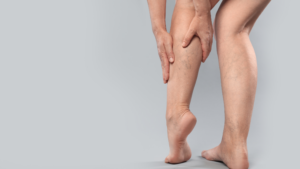
Have your legs been feeling heavy, achy, swollen, or tired at the end of the day? You may have assumed it was simply part of getting older, spending too much time on your feet, sitting at a desk all day, or being more active than usual.
But sometimes, these everyday symptoms can be signs of something more: venous insufficiency.
Chronic venous insufficiency (CVI) is a condition that occurs when the veins in your legs have difficulty returning blood back to your heart. Over time, blood can pool in the legs, leading to symptoms that are easy to dismiss or mistake for normal fatigue.
The good news? Venous insufficiency is treatable, and recognizing the signs early can help you take action before symptoms become more severe.
What Is Venous Insufficiency?
Your veins have small valves that help keep blood moving in the right direction — from your legs back toward your heart. When these valves become weakened or damaged, blood can flow backward and collect in the veins of your legs.
This is known as venous insufficiency, or chronic venous insufficiency when it becomes a long-term condition.
Venous insufficiency can contribute to varicose veins, leg swelling, skin changes, discomfort, and other symptoms. It can affect people of all ages, although your risk may increase with factors such as aging, family history, pregnancy, prolonged sitting or standing, and being overweight.
7 Signs of Venous Insufficiency You May Be Ignoring
- Your Legs Feel Heavy or Tired
Do your legs feel unusually heavy by the end of the day?
A feeling of heaviness, tiredness, or fatigue in the legs is one of the symptoms people often overlook. You might chalk it up to a long workday or simply being on your feet.
However, if your legs consistently feel heavy — particularly later in the day — it could be related to blood pooling in your lower extremities.
Pay attention if: your legs feel better after elevating them or getting off your feet but the heaviness returns regularly.
- Your Legs or Ankles Swell Throughout the Day
Swelling around your ankles, feet, or lower legs can happen for many reasons. But if you notice that your legs look or feel more swollen as the day goes on, venous insufficiency could be contributing.
Venous swelling often becomes more noticeable after prolonged periods of standing or sitting and may improve overnight or after elevating your legs.
You may notice:
- Socks leaving deeper marks around your ankles
- Shoes feeling tighter at the end of the day
- Ankle or lower-leg swelling
- Swelling that is worse on one side
- Legs feeling tight or uncomfortable
While occasional swelling may not be concerning, persistent or recurring leg swelling deserves attention.
- You Have Aching or Throbbing Leg Pain
Leg discomfort isn’t always just muscle soreness.
Venous insufficiency can cause aching, throbbing, or discomfort in the legs. For some people, symptoms become worse after standing or sitting for extended periods and improve when walking, elevating the legs, or resting.
If you regularly experience unexplained leg pain — especially alongside swelling, heaviness, or visible veins — it may be worth discussing with a vein specialist.
- You Notice Varicose or Spider Veins
Varicose and spider veins are common, and many people consider them primarily a cosmetic concern.
However, visible veins can sometimes be associated with underlying venous disease.
Varicose veins are enlarged, twisted veins that may appear blue, purple, or flesh-colored beneath the skin. They can be accompanied by symptoms such as:
- Aching
- Heaviness
- Swelling
- Burning
- Itching
- Cramping
Not everyone with varicose veins has significant venous insufficiency, but symptomatic varicose veins shouldn’t automatically be dismissed as cosmetic.
- Your Legs Cramp or Feel Restless at Night
Leg cramps and restless legs can have numerous causes, but recurring nighttime symptoms may sometimes be associated with venous disease.
You may experience:
- Calf cramps
- A feeling of restlessness
- An urge to move your legs
- Throbbing or aching when lying down
- Discomfort that makes it difficult to get comfortable
If these symptoms occur regularly, especially when combined with swelling or visible veins, mention them to your healthcare provider.
- Your Skin Is Changing
Changes to the skin on your lower legs can be an important sign of chronic venous insufficiency.
Over time, poor circulation and increased pressure within the veins can contribute to changes such as:
- Darkening or discoloration of the skin
- Dry or irritated skin
- Itching
- Thickened skin
- Changes in skin texture
- Areas that appear reddish, brown, or purple
These changes shouldn’t be ignored. Skin changes can indicate that venous disease has progressed and should be evaluated by a healthcare professional.
- You Have a Leg Wound That Takes a Long Time to Heal
One of the more advanced signs of venous insufficiency is a sore or ulcer on the lower leg that is slow to heal.
Venous leg ulcers often develop around the ankle area and can be associated with swelling, skin discoloration, or other changes in the lower leg.
If you have a wound that isn’t healing normally, don’t wait to have it evaluated.
Why Do We Ignore These Symptoms?
One reason venous insufficiency can go undiagnosed is that its symptoms can seem so ordinary.
You may think:
“My legs hurt because I stood all day.”
“Everyone’s ankles swell sometimes.”
“I’m just getting older.”
“My varicose veins are only cosmetic.”
“My legs are tired because I sit at a desk all day.”
But recurring symptoms aren’t something you have to simply live with.
Your legs shouldn’t have to hurt every day.
If symptoms are persistent, worsening, or interfering with your daily activities, it’s worth finding out what’s causing them.
Who Is at Risk for Venous Insufficiency?
Several factors can increase your risk of developing chronic venous insufficiency, including:
- Family history of venous disease
- Getting older
- Pregnancy
- Prolonged sitting
- Prolonged standing
- Being overweight
- Previous blood clots
- Limited physical activity
- A history of varicose veins
Having one or more risk factors doesn’t necessarily mean you have venous insufficiency. However, knowing your risk can help you recognize symptoms sooner.
When Should You See a Vein Specialist?
If you regularly experience leg swelling, heaviness, aching, varicose veins, cramping, skin changes, or other unexplained leg symptoms, consider talking with a healthcare professional.
A vein specialist can evaluate your symptoms and determine whether an underlying venous condition may be contributing to them.
At McWilliams Vein Center, patient education is an important part of understanding your vein health. Our goal is to help you understand what’s happening in your legs and what treatment options may be available if venous insufficiency is affecting your quality of life.
Don’t Ignore What Your Legs Are Trying to Tell You
Venous insufficiency doesn’t always announce itself with a dramatic symptom. Sometimes, it starts with something as simple as tired legs at the end of the day or swelling that you have learned to work around.
But persistent leg symptoms are worth paying attention to.
If your legs are frequently swollen, achy, heavy, itchy, or uncomfortable, don’t assume you simply have to live with it. Understanding the cause is the first step toward finding the right solution.
Your leg pain isn’t something you have to ignore.
If you are experiencing symptoms of venous insufficiency, contact McWilliams Vein Center to learn more about your vein health and whether an evaluation may be right for you.
Frequently Asked Questions About Venous Insufficiency
What are the first signs of venous insufficiency?
Early signs can include leg heaviness, aching, swelling, fatigue, and visible spider or varicose veins. Symptoms may become more noticeable after prolonged sitting or standing.
Can venous insufficiency cause leg swelling?
Yes. Venous insufficiency can cause blood to pool in the lower extremities, which may contribute to swelling in the feet, ankles, and legs. Swelling that consistently occurs or worsens throughout the day should be evaluated.
Is venous insufficiency the same as poor circulation?
Venous insufficiency is a specific type of circulation problem involving the veins and their ability to return blood from the legs to the heart. Other circulation conditions can have different causes and symptoms.
Can varicose veins be a sign of venous insufficiency?
Yes. Varicose veins can be associated with underlying venous insufficiency. While some varicose veins are primarily a cosmetic concern, symptomatic varicose veins may indicate venous disease.
Can venous insufficiency get worse over time?
Chronic venous insufficiency can progress if left untreated. Symptoms may become more noticeable and can include increased swelling, skin changes, and in more advanced cases, leg ulcers.
Is venous insufficiency treatable?
Yes. Treatment depends on the severity and cause of the condition. A vein specialist can evaluate your symptoms and discuss appropriate treatment options.