
Compression Socks: Helpful or Just a Temporary Fix?
If you’ve ever experienced leg swelling, heaviness, or discomfort, you’ve probably heard about compression socks.
They’re often recommended as a simple way to improve circulation—but many patients wonder: do they actually fix the problem, or are they just a temporary solution?
At McWilliams Vein Center, this is a question we hear often from our patients and the answer depends on what’s actually causing your symptoms.
What Do Compression Socks Actually Do?
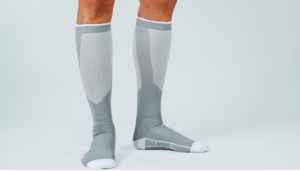
Compression socks are designed to gently squeeze your legs, helping blood move more efficiently back toward your heart.
This added support can:
- Reduce swelling in the legs and ankles
- Ease feelings of heaviness or fatigue
- Help prevent blood from pooling in the veins
For many people, they provide noticeable relief—especially during long days of sitting or standing.
When Compression Socks Can Help
Compression socks are often a great first step for managing mild symptoms or supporting overall vein health.
They may be especially helpful if you:
- Sit or stand for long periods
- Travel frequently (especially long flights or car rides)
- Experience occasional swelling or tired legs
- Are pregnant or recently postpartum
In these cases, compression can improve comfort and help support healthy circulation.
Are They a Long-Term Solution?
While compression socks can relieve symptoms, they don’t treat the underlying cause of vein disease.
Conditions like varicose veins or chronic venous insufficiency occur when the valves in your veins aren’t working properly. Compression can help manage the symptoms—but it doesn’t correct those valve issues.
That means for many patients, compression socks are a management tool—not a permanent fix.
Signs You May Need More Than Compression
If you find yourself relying on compression socks daily—or your symptoms continue to worsen—it may be time to take a closer look.
Common signs include:
- Persistent leg heaviness or fatigue
- Swelling that doesn’t improve
- Visible varicose veins
- Aching, cramping, or restless legs
These symptoms can indicate an underlying vein condition that may benefit from medical evaluation.
Exploring Treatment Options
The good news is that today’s vein treatments are minimally invasive, quick, and designed to address the root cause—not just the symptoms.
Many procedures can be performed in-office with little to no downtime, helping improve both comfort and appearance.
The Bottom Line
Compression socks can be a helpful part of your routine—especially for symptom relief and prevention.
But if you’re depending on them every day, your body may be telling you something more is going on.
At McWilliams Vein Center, we’re here to help you understand what’s causing your symptoms and guide you toward the right solution for long-term relief.
When to Take the Next Step
If you’re unsure whether compression socks are enough—or you’re ready for a more lasting solution—our team is here to help.
Contact McWilliams Vein Center today to schedule a consultation and learn more about your options.