
Vein-Friendly Fitness Tips: Simple Ways to Support Healthy Circulation
You don’t have to be an athlete to take care of your veins—but staying active plays a bigger role in vein health than many people realize.
If your legs feel heavy, tired, or swollen at the end of the day, your circulation may not be working as efficiently as it should. The good news? The right kind of movement can help improve blood flow and reduce discomfort.
At McWilliams Vein Center, we often recommend simple, low-impact activities to support healthy circulation—no intense workouts required.
Here are a few easy ways to keep your veins moving in the right direction.
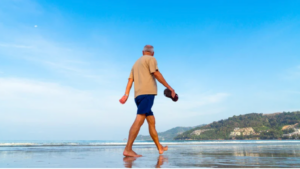
Walking: One of the Best Exercises for Your Veins
Walking is one of the most effective (and accessible) ways to support circulation.
When you walk, your calf muscles help push blood back up toward your heart. This reduces pressure in your veins and can help ease symptoms like heaviness and swelling.
Even short walks throughout the day can make a difference—especially if you spend long hours sitting or standing.
Stretching: Keep your Blood Flowing
If your legs feel tight or restless, gentle stretching can help improve circulation and relieve tension.
Simple movements like calf stretches, hamstring stretches, and ankle rotations can encourage better blood flow—especially before bed or after a long day.
It only takes a few minutes, but the impact can be noticeable.
Low-Impact Exercise:
Not all workouts are created equal when it comes to vein health.
Low-impact activities help keep your blood moving without putting unnecessary strain on your veins.
Some great options include:
- Cycling
- Swimming
- Yoga
- Elliptical workouts
These exercises are easy on your joints and supportive of overall circulation.
Remember to Take Breaks from Sitting or Standing
Even if you exercise regularly, long periods of inactivity can still affect your veins.
If you sit or stand for extended periods, try to move every 30 to 60 minutes. A quick walk, a few calf raises, or even shifting your weight can help keep blood from pooling in your legs.
Elevate Your Legs When You Can
After a long day, elevating your legs can help reduce swelling and improve circulation.
Raising your legs above heart level for just 10–15 minutes allows blood to flow more easily back toward your heart—helping your legs feel lighter and more comfortable.
Small Changes Can Make a Big Difference
Supporting your vein health doesn’t require drastic changes—just consistent, intentional movement.
However, if you’re noticing ongoing symptoms like leg heaviness, swelling, or visible veins, it may be a sign of an underlying vein condition that requires medical attention.
At McWilliams Vein Center, our team focuses exclusively on diagnosing and treating vein disease using minimally invasive, state-of-the-art techniques designed to get you back to feeling your best.
When to Take the Next Step
If conservative approaches like exercise and compression aren’t providing relief, it may be time to explore additional treatment options.
Early evaluation can help prevent symptoms from progressing and improve your overall quality of life.
Contact McWilliams Vein Center today to schedule a consultation and take the first step toward healthier legs.